On every gold or silver piece you see a small number — 375, 585, 750 or 925. Many people do not know what it means, yet fineness determines the price, the colour and the strength. In this guide we explain everything simply, without complicated terms.
Key takeaways
- Fineness shows the share of pure metal out of 1000.
- Pure gold is soft, so it is alloyed with other metals.
- 585 (14k) is the most popular ring fineness.
- 925 is sterling silver.
- The state hallmark guarantees authenticity.
What fineness actually is
Fineness is a number showing how much precious metal a piece contains out of 1000 parts. Pure gold (24 karats, 999 fineness) is too soft for everyday wear: it would easily deform and scratch. That is why in jewellery gold is alloyed with silver, copper, zinc and other metals — producing a strong and beautiful alloy.
Gold finenesses and what they mean
Interestingly, lower fineness is often stronger. 375 gold has more hard alloy metals, so it resists scratches better than the softer 750. For an everyday ring, 585 is often the golden compromise between beauty and strength.
Higher fineness does not mean “better” — it means more pure gold and a richer colour, but also a softer metal.
Colours: yellow, white, rose
The same fineness can be a different colour depending on the alloy. Yellow gold — classic warmth. White gold is made by adding palladium or nickel and is often rhodium-plated for shine. Rose (pink) gold gets its shade from copper.
Silver and its fineness
Quality silver jewellery has a fineness of 925 (sterling silver), i.e. 92.5% pure silver. The rest (usually copper) adds strength. Silver naturally tarnishes when exposed to air — this is normal and easily removed.
Why hallmarking matters
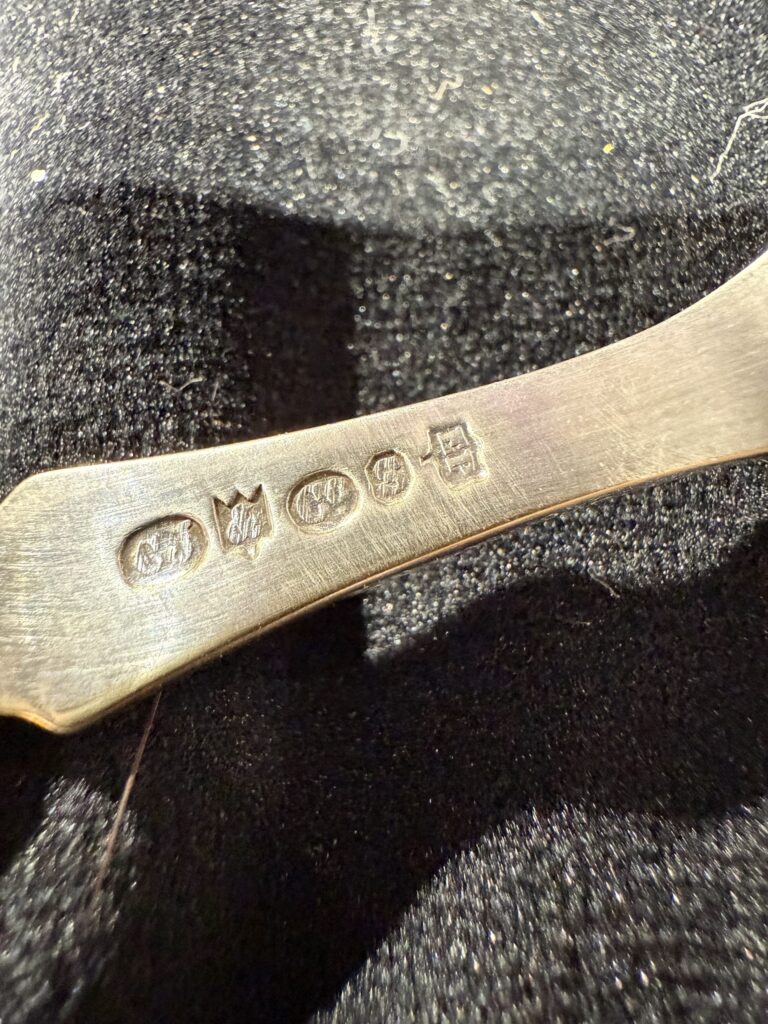
A hallmark is a state guarantee that the metal content matches what is stated. In Lithuania, pieces are tested and marked by the Lithuanian Assay Office. When you buy a hallmarked piece you buy confirmed quality, not a verbal promise.
Browse gold and silver pieces by the fineness that suits you.
Frequently asked questions
Which gold fineness is strongest?
Surprisingly, 375 (9k) is the strongest for everyday wear because it contains more alloy metals. 750 (18k) is softer due to the higher pure gold content.
Is 585 gold real gold?
Yes. 585 fineness means 58.5% pure gold — full-fledged gold and the most popular in the world for rings and everyday jewellery.
What does 925 silver fineness mean?
925 (sterling silver) means 92.5% pure silver. It is the standard fineness for quality silver jewellery.
Can gold tarnish?
Pure gold does not tarnish, but lower-fineness alloys may change slightly because of the alloy metals. Regular care easily solves this.
How can I check the fineness is genuine?
Look for the state hallmark. In Lithuania it is granted by the Lithuanian Assay Office — all our pieces are hallmarked.